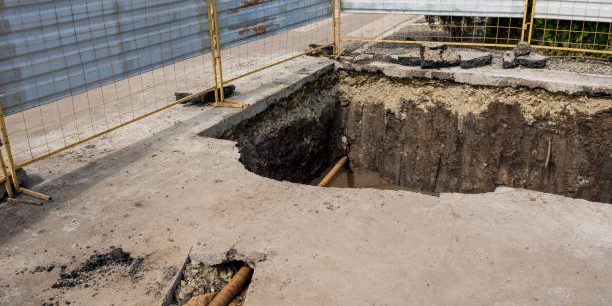
When planning underground utility works in Sydney, understanding the cost of horizontal directional drilling (HDD) is key to setting a realistic budget. Whether you’re managing a residential connection, a commercial development, or a major infrastructure project, getting conduits installed without disrupting the surface requires the right approach from the outset.
At Directional Drilling Australia, we specialise in HDD for the installation of conduits carrying gas, electricity, telecommunications, stormwater, and sewer services. With extensive experience across Sydney and NSW, we focus on clear, upfront pricing so clients know exactly what to expect.
This guide explains how HDD costs are structured and what factors influence pricing, helping you make informed decisions for your project.
What Is Horizontal Directional Drilling (HDD)?
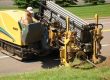
Horizontal directional drilling (HDD) is a trenchless method used to install underground conduits for utilities such as gas, electricity, telecommunications, stormwater, and sewer systems. Instead of digging open trenches, HDD creates a controlled underground path between entry and exit points, allowing services to be installed with minimal disruption to the surface.
In Sydney, HDD is widely used across residential, commercial, and infrastructure projects where maintaining existing roads, driveways, rail lines, and landscapes is critical. The process uses specialised drilling rigs operated by trained professionals who can navigate through varying ground conditions, from soft soils to hard rock, while maintaining precise accuracy along the bore path.
Average HDD Costs in Sydney
HDD costs in Sydney vary depending on site conditions, bore length, and project complexity. The table below gives a general overview of how pricing is typically structured:
| Project Size | Typical Scope | Indicative Cost |
|---|---|---|
| Short installation | Under 10 metres | $1,500 – $3,000 |
| Medium project | 10–100 metres | $5,000 – $15,000 |
| Large-scale infrastructure | Major road / rail crossings | $20,000 – $100,000+ |
| Per-metre rate | Standard to complex conditions | $200 – $400/m |
These figures generally cover drilling, reaming, and conduit installation. Final costs are confirmed after a professional site assessment, as each project presents its own conditions and requirements.
Key Factors Affecting HDD Costs in Sydney
Understanding what drives cost variation helps you anticipate your project’s budget and make better decisions from the start.
1. Bore Length
The total distance drilled is one of the primary cost drivers. Longer bores require more drilling time, additional tooling, and greater material lengths for the conduit. Short crossings under a driveway or garden path sit at the lower end of the pricing range, while extended bores beneath major roads or waterways move into the mid-to-upper range.
2. Ground Conditions and Geology
Sydney’s geology varies considerably across suburbs, and this has a direct impact on cost:
- Soft soil and sand – Base rates apply, offering the most economical drilling.
- Clay layers – May require adjusted drilling fluids and methods.
- Partly rocky ground – Costs can increase by 25–50%.
- Hard rock (e.g. Sydney sandstone) – Can push costs 50–100%+ above soft ground rates.
- Mixed or changing geology – Unpredictable layers extend drilling time and complexity.
Experienced drillers assess ground conditions prior to quoting, so the price you receive reflects actual site conditions rather than a generic estimate.
3. Conduit Diameter and Type
The size and specification of the conduit being installed affects drilling requirements:
- Smaller diameter conduits (e.g. single telecom or power conduit) – Lower cost, less reaming required.
- Larger diameter conduits (e.g. stormwater or sewer pipes) – Greater reaming passes needed, increasing time and equipment demands.
- Multiple conduits in a single bore – Efficient for bundling services, but requires a larger bore path.
4. Site Accessibility
The ease of getting equipment on-site plays a role in overall cost:
- Open, flat access – Standard pricing applies.
- Confined or restricted areas – May require compact rigs or modified setup.
- Urban sites – Traffic control measures and additional safety requirements may apply.
- Remote locations – Travel time and logistics can add to the overall cost.
5. Crossing Type and Depth
What you’re crossing beneath significantly affects the complexity and cost of the bore:
- Residential driveways and garden paths – Shallow, straightforward, lower cost.
- Local roads – Require accurate bore planning and compliance with council requirements.
- Major highways and arterial roads – Greater depth, longer bore, higher cost.
- Rail lines – Subject to strict tolerances and third-party approvals, which add time and cost.
- Waterways and environmentally sensitive areas – Additional planning and care required.
HDD vs. Open Trenching: A Cost Comparison
A common question is whether HDD is worth the cost compared to traditional open trenching. Here’s a realistic comparison:
| HDD | Open Trenching |
|---|---|
| $200–$400/m (drilling only) | $50–$150/m (excavation only) |
| No surface restoration costs | Heavy restoration required |
| No traffic management fees | Road closure costs apply |
| Minimal environmental impact | Significant disruption to landscape |
| Works under roads, rail, waterways | Not suitable for crossings |
| 40–60% faster project completion | Longer timelines |
While HDD costs more per metre for the drilling itself, the total project cost often favours HDD once surface restoration, traffic management, and environmental compliance are factored in. For crossings beneath roads, rail lines, or waterways, where trenching isn’t even an option, HDD is the only viable solution.
What’s Typically Included in an HDD Quote?
When you receive a quote from Directional Drilling Australia, you can expect it to cover:
- Site assessment and bore path planning
- Pilot bore drilling
- Reaming to the required diameter
- Conduit pull-back and installation
- Service locating prior to drilling
- Site cleanup and surface restoration at entry/exit points
- All necessary certification and documentation
Items that may be quoted separately depending on the project include:
- Traffic control and road permits
- Third-party approvals (e.g. RMS, Sydney Trains, council)
- Rock-cutting tooling for hard ground conditions
- Reinstatement of road or pavement surfaces
Applications of HDD in Sydney
Horizontal directional drilling is used across a wide range of utility installation projects throughout Sydney and NSW:
- Gas pipeline installations
- Electrical conduits and power cables
- Telecommunications and fibre optic cables
- Stormwater drainage systems
- Sewer service connections
- Water main crossings
HDD is particularly well-suited to Sydney’s urban environment, where dense infrastructure, busy roads, and environmental considerations make open trenching impractical or impossible.
Why HDD Makes Sense for Sydney Projects
No Road Closures
HDD installations proceed without stopping traffic – a significant advantage on Sydney’s busy arterial roads and highways where road closures come with major cost and approval implications.
Environmentally Sensitive Areas
HDD keeps surface impact to a minimum in parks, wetlands, bushland reserves, and riparian zones, areas where open excavation would require lengthy environmental approvals and mitigation works.
Precision and Safety
GPS-guided drilling and continuous bore tracking help operators navigate around existing underground services accurately. This reduces the risk of striking existing utilities, a major concern in Sydney’s heavily serviced suburban network.
All-Weather Capability
Unlike open excavation, which can be halted by rain or unstable ground conditions, HDD can continue operating through most weather conditions, keeping your project on schedule.
How to Get Accurate HDD Pricing for Your Project
1. Provide Detailed Site Information
The more information you can share upfront, crossing length, what’s being crossed, conduit type and diameter, and any known ground conditions, the more accurate your initial quote will be.
2. Arrange a Site Inspection
For larger or more complex projects, a site visit allows our team to assess ground conditions, access constraints, and any potential complications before pricing is finalised.
3. Obtain Multiple Quotes
Get at least two to three detailed quotes from licensed HDD contractors. Ensure each quote clearly outlines scope, inclusions, and any conditions that could affect the final price.
4. Factor in the Full Project Cost
When comparing HDD against alternatives, consider the total cost, including surface restoration, traffic management, approvals, and timeline, not just the per-metre drilling rate.
Why Choose Directional Drilling Australia?
At Directional Drilling Australia, we’ve built our reputation on transparency, expertise, and quality workmanship across Sydney and NSW.
- Transparent pricing – Clear, itemised quotes with no hidden costs.
- Licensed and insured – Fully accredited professionals at every stage.
- Experienced across all utility types – Gas, power, telecoms, stormwater, and sewer.
- Strong safety culture – Comprehensive service located before every bore.
- Proven track record – Residential, commercial, and major infrastructure projects.
Every HDD project is unique, and accurate pricing requires a professional assessment of your specific site and requirements. We provide free, no-obligation quotes that give you complete clarity on costs before work begins.
Call us now at 0408 335 532 to discuss your HDD project in Sydney, NSW.
Frequently Asked Questions
How much does horizontal directional drilling cost in Sydney?
HDD costs in Sydney typically range from $1,500–$3,000 for short installations under 10 metres, through to $20,000–$100,000+ for large-scale infrastructure projects. Per-metre rates generally fall between $200 and $400 depending on ground conditions and project complexity.
What affects HDD costs the most?
The primary cost factors are bore length, ground conditions and geology, conduit size, the type of crossing (road, rail, waterway), and site accessibility. Projects in hard rock or requiring third-party approvals will sit at the higher end of the range.
Is directional drilling more expensive than open trenching?
HDD typically costs more per metre for drilling ($200–$400/m vs $50–$150/m for trenching), but when you account for surface restoration, traffic management, and environmental compliance, total project costs often favour HDD, particularly for road, rail, and waterway crossings.
What types of conduits can be installed with HDD?
HDD can be used to install conduits for gas, electricity, telecommunications, fibre optic cables, stormwater, and sewer services. The technique works across a wide range of pipe materials and diameters.
Do I need council approval for HDD works?
Approval requirements vary depending on what is being crossed and where. Road crossings typically require council or Roads and Maritime Services (RMS) approval. Rail crossings require authorisation from Sydney Trains or ARTC. Your HDD contractor should guide you through the approval process as part of project planning.
How long does an HDD project take?
Short residential installations can be completed in a single day. Medium to large infrastructure projects typically take between one and five days, depending on bore length, ground conditions, and the number of conduits being installed.